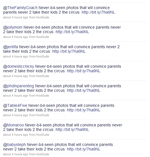

Oh how persnickety people can get online. Once again it’s a cause group and once again it’s “mommy bloggers.” Today PETA mass-tweeted “Never-b4-seen photos that will convince parents never 2 take their kids 2 the circus: https://bit.ly/7ha9NL” to over 150 Twitter users according to Allie Sullivan who watched the drama unfold this morning. The tweet linked to a site on which photos depicted the training of baby elephants for Ringling Bros. Circus
Without surprise, the mass tweet was met with a bit of vitriol such as “@officialpeta fuck you I hate PETA and always have” from @JessicaGottlieb. But it was also met with what, in the first place, PETA should have, if you’re a social media believer, been going for: a conversation. Luckily, one did start between the cause group and Lucretia Pruitt. And by all accounts it ended pleasantly.
On targeting these 150 “mommy bloggers,” Sullivan wrote, “And just because she is a mom with a blog and active on Twitter, she is supposed to care about baby elephants? WRONG!” Explaining further, she wrote, “when it comes to social media and audience development, you can’t think of a ‘target audience’ … you must think about the people who you will be engaging with.”
While marketers do have to start somewhere and blasting out the same message to multiple people is – until we have something better – marketing du jour, the focus in this case, Sullivan argues, should have been on conversation instead of “mass marketing.”
But there in lies the conundrum. How do you start a conversation if no one knows you want to have one? But this PETA effort, as it was executed, was never about having a conversation. It was mass marketing using a social medium with the hope retweets would get hundreds or thousands of people to see pictures of the cute elephants undergoing circus training.
It’s not bad marketing per se. After all, it’s PETA’s job to make people aware of what they claim to be the torturous treatment of animals for the entertainment of humans. And, as we well know, they’ll use any means necessary to do so. And, as we well know, someone or some group, will always be pissed off by some of the things marketers do to sell oh, for example, a chemical-free bathroom cleanser.
Marketing isn’t a conversation and a conversation isn’t marketing. Outbound marketing exists to make people aware off things that might, based on assumptions, be of interest to them. Inbound marketing exists to provide the information a person needs when they know they need something but aren’t sure where to find it or what brand is right for them. Social media – or social engagement marketing as a colleague describes it – offers a platform (horrible word, we know) where outbound and inbound marketing can co-exist. A conversation, if you will.
As social media, or whatever you want to label it, becomes more prevalent, there will be blunders. We’re in experimental mode right now. And even those who label themselves “social media guru” haven’t a clue. And if they tell you they do, buyer beware.
What PETA did wasn’t necessarily a horrific blunder but it did use an old model (broadcast) in a new medium (social). That was the big mistake here. Broadcast tactics, still an entirely viable strategy in the right media, don’t work well in social media.
Again, while a conversation usually needs a kick start (think old school media), Sullivan sums up the new “social” approach to marketing nicely, writing, “focusing your energy on the relationships you’re building everyday with your supporters will be so much more rewarding in the end.”