88Slide is a short, daily video a trivia challenge that poses multiple choice question which are answered in the next day's video. Winners receive various gift certificates as prizes. 88Slide, hosted by Rachel, can be subscribed to through iTunes or received daily via cell phone. There's also a blog, an RSS feed and humorous outtakes.
The deliciously delectable WireGirl points out Christina Aguilera has signed a marketing deal with mobile service provider Orange, cell phone maker Sony Ericcson and record label SonyBMG. The nine month deal calls for Aguilera to promote the Orange Music service and Sony's new Walkman phones by Ericcson. The last time we saw Christina, she was having a fake orgasms in an office chair for Virgin Atlantic and dressing in hottie nurse, schoolgirl and police woman outfits for Skechers.
Beyond this latest deal, we'll be seeing a lot of Christina in the coming months and years as she has applied to the U.S. Patent and Trademark Office to have her name attached to 450 yet to be introduced products from crayons to deodorant to badminton.
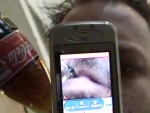
We're told this is a viral effort from Coke. It's a video called The Mouth which shows a bunch of guys (agency creatives goofing off perhaps?) talking into their video camera phones while pointing their phone at another camera to capture it all. The video ends with a product shot of Coke and a guy drinking a bottle of Coke while filming himself doing so. Weird. But weird usually works. Pointless does too. In fact, this could easily be swapped out for a cell phone company promoting its video cam. The video, posted on YouTube March 2, now, as of March 5, has 16,000 views. Hardly network television numbers but we'll watch where it goes.
To support the launch of the Motorola RAZR V3x, the company has launched What is Razr Speed, a game site that demonstrates how the new phone...well, allows you to "capture a moment of complete clarity." In the game, the player must capture the flying Motorola logo first at a fast speed, then at a slower Razr Speed. The game was created by Howorth Communications' Digital Lifestyle Group.
Accompanying the launch of a the phone is a new report, called Generation HERE, commissioned by Motorola Mobile Devices which explores the impact of 3G (Third Generation) mobile phones technology on society around the globe. From romance to community to flirting to information gathering to basic safety, the report examines how embedded the mobile phone has become in people's lives.
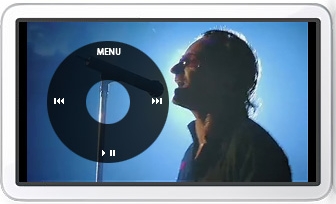
Of course Creative and Archos have been producing these things for years but no one seems to care. Only when Apple decides to release a video iPod with a screen that covers the entire front of the device does anyone care. Though rumors have been swirling since last summer, it looks like this spring will mark Apple's introduction of a new video iPod with a 3.5 inch screen and a touch screen click wheel. No sooner have we all unloaded our wallets to grab Apple's first video iPod offering, many of us will frustratingly do it again upon release of this new device.
more »
ad:tech, which hosts three major national online marketing conferences, is launching a new conference series called IMPACT, a ten city, one day show kicking off February, 28 in Seattle then moving on to Phoenix, LA, Dallas, Atlanta, Denver, Boston, Toronto, Cincinnati and ending with Fort Lauderdale April, 6. The shows, as does the three big shows, will focus on all thing online marketing from planning to buying to analytics to search engine marketing to campaign optimization to ad formats to blogging to consumer generated media to behavioral marketing.
The day's events will consist of keynotes, separate tracks with sessions of differing topics, presentations from service providers/vendors, mini expo session where attendees can explore exhibitor offerings and an ad:tech Connect LIVE! Session, an interactive Q & A jam session. We'll be attending the Seattle and Boston events.
Taking advantage of this generation's mad text messaging, LocaModa has launched technology that takes all that social blather and slaps it up on a screen for all to see. Of course, LocaMode describes it more verbosely calling it the world's first in-location blogging platform for what it calls "The Web Outside" which enables in-location messaging, social networking and blogging along with entertainment applications for use in out of home networks cafes, bars, clubs and other public places. This technology, StreetMessenger, coupled with something called Wifiti (cute) which LocaModa lovingly refers to as "wireless graffiti," takes all this communal socialization and displays in on a large flat panel display at the location and also onto the web for others to vicariously experience whatever's going on at the location.
more »
The NFL has announced it will place all Super Bowl ads airing this weekend on its video on demand NFL Network, on NFL.com and on Sprint phones. Budweiser will optimize its five minutes worth of ads for the iPod and make them downloadable from Budweiser.com. GoDaddy, of course, has been pushing its ads online for years. Pepsi will have BrownandBubbly.com. Burger King will have the Whopperettes. Who needs an actual television anymore?
Using the home shopping network approach to selling an AK-47, the Amnesty International Protect the Human cause has released a humorous but convincing video that claims the world's arms trade is out of control and calls for governments to sign the Arms Trade Agreement. The video was created by Mother London.
A tipster has brought to our attention an odd association between the McKinney Silver-created Pherotones campaign and the release of Stephen King's new novel, Cell. While the Pherotones promotion may have something to do with McKinney Silver telecommunications client Qwuest, Stephen King's new novel most certainly has to do with telecommunication - tones sent through cell phones that turn people into flesh-eating zombies. In fact, King's book is being juiced with a cell phone-related promotion of its own.
Hmm, you say? Perhaps it's just a coincidence. Perhaps McKinney doesn't keep up on all things Stephen King. Or, though an unrealistic but intriguing stretch, the Pherotones campaign is a promotion for King's new novel. Nah.

|
|